

Finding Roommates and Shared Housing in New York: 2027 Guide for International Students
A practical guide to roommates in New York for international students: choosing an arrangement, sharing responsibilities and checking a room before committing.
Prepared and reviewed by Floweal · Editorial release and source review: · 2027 planning edition
Explore shared housing in New York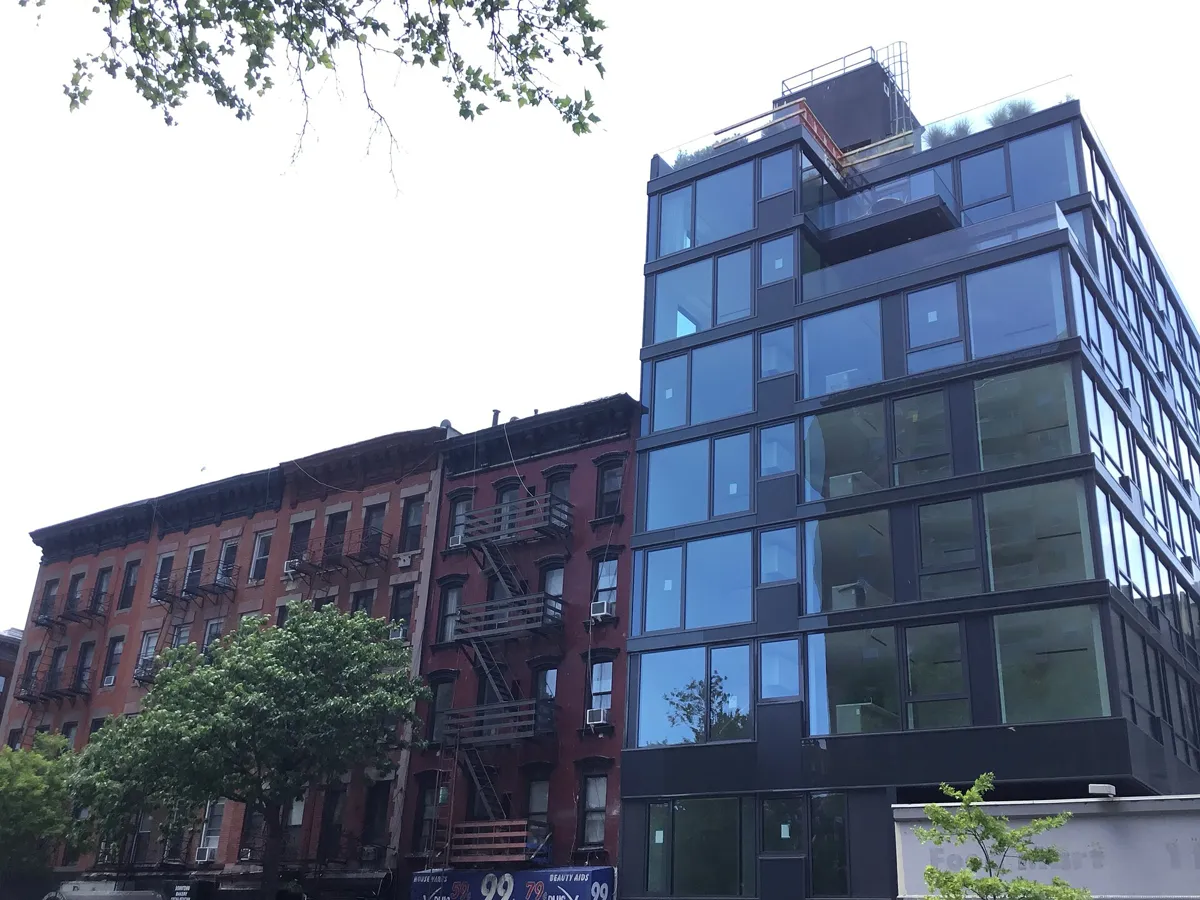

How Can International Students Find Shared Housing in NYC?
Shared housing describes the living setup, not the legal agreement. Two rooms in similar apartments may have very different rent obligations. This guide is not live inventory and does not guarantee availability, approval or roommate compatibility.
Shared Housing Options at a Glance
These are planning tendencies, not universal contract terms. Furnishing, flexibility and utilities must be confirmed for the exact room. Lease, sublet and occupant distinctions: New York State Attorney General — Residential Tenants’ Rights Guide, NYC Rent Guidelines Board — Roommates FAQ, New York State Senate — Real Property Law § 226-b (Subletting and assignment) and New York State Senate — Real Property Law § 235-f (Unlawful restrictions on occupancy).
| Arrangement | Who signs | Payment responsibility | Typical flexibility | Furnishing | Utilities | Privacy | Application considerations | Main risk or trade-off | Best suited for |
|---|---|---|---|---|---|---|---|---|---|
| Private room in a shared apartment | Often the existing tenant or the landlord; varies by agreement | Depends on whether you are on the lease, a subtenant or an occupant | Varies; often follows the main lease dates | Sometimes furnished; confirm per room | May be split informally or included; confirm in writing | Private bedroom, shared common areas | You may be screened by the landlord, the tenant or both | Unclear status if you are not named on any written agreement | Students who want a lower-commitment shared setup and can verify who controls the lease |
| Joint lease | All roommates sign one lease | Depends on the lease wording; signers may share responsibility for the full rent | Usually fixed lease term | Often unfurnished | Commonly arranged by tenants | Private or shared rooms; decided among roommates | Each signer may be screened and asked for documents or a guarantor | One roommate leaving can affect everyone on the lease | Groups who already know each other and plan to stay for the full term |
| Individual room lease | You sign for your own room with the operator or landlord | Typically limited to your own agreement; read its terms | Varies; some offer shorter terms | Frequently furnished | Often included or billed per room; confirm | Private bedroom, shared common areas | Provider-specific criteria; ask which documents are accepted | House rules and fees may be set by the operator | Students arriving alone who want their own contract |
| Authorized sublet | You and the existing tenant (sublessor); landlord consent may be needed | You pay the tenant; the tenant generally remains liable to the landlord | Tied to the sublet period | Often furnished with the tenant’s items | Arranged with the tenant; confirm in writing | Depends on the unit | Ask for proof of the landlord’s consent where required | An unauthorized sublet can end early | Semester, summer or short stays with confirmed authorization |
| Coliving | You sign with the coliving operator | Defined by your membership or license agreement | Often flexible terms; confirm minimums | Usually furnished | Often bundled; confirm what is included | Private or shared bedroom, managed common areas | Operator-specific screening and documents | Agreement type and fees vary by operator | Newcomers who value furnished, managed shared living |
| Student residence | You sign with the university or residence provider | Defined by the housing agreement | Academic term or year; confirm dates | Usually furnished | Often included; confirm | Private or shared rooms by assignment or choice | Enrollment-based eligibility; deadlines apply | Limited places and fixed dates | Students eligible for institutional housing who want a structured setting |
A private room can sit within a joint lease, room lease, lawful occupancy arrangement or sublet. Confirm your status; do not assume a roommate is the landlord. Learn more about housing in New York, student housing and coliving.
Joint Lease vs. Individual Lease
Who is responsible for the rent
Under a joint lease, each signer’s responsibility depends on the lease wording and applicable New York law; some leases make signers responsible for the full rent, not only their share. Under an individual room lease, your obligations are set by your own agreement. Read the complete document rather than relying on a summary.
When one roommate leaves
A departing roommate does not automatically end their obligations or yours. Check whether the lease allows replacements, assignment or a sublet, and what consent is required. The Attorney General guide explains that a tenant who sublets with consent generally remains liable to the landlord.
Deposits and utilities
If a landlord holds one deposit for a joint lease, record each person’s contribution and agree how any permitted deductions will be shared. Check the Attorney General’s deposit guidance for your housing category rather than assuming one rule covers every agreement. If a utility account is in one person’s name, confirm that provider’s account obligations and document each roommate’s reimbursement arrangement.
Read the entire agreement
Rent, renewal, house rules, guests, early termination, fees and responsibility for damage can all differ by lease. Ask for the full document before paying anything, and seek qualified legal assistance if a clause is unclear.
Verbal arrangements are not enough
A spoken agreement with a roommate is hard to prove and does not change what the lease says. Put rent shares, deposits, utilities and move-out terms in writing, and keep copies of payments and messages.
Legal context: New York State Attorney General — Residential Tenants’ Rights Guide, NYC Rent Guidelines Board — Roommates FAQ, New York State Senate — General Obligations Law § 7-108 and New York State Senate — Real Property Law § 226-b (Subletting and assignment). Liability depends on the signed agreement and applicable New York law. A private split between roommates may not limit the landlord’s rights under the lease.
How to Find a Roommate
- 1
Define budget and move-in dates
Set a maximum monthly total and the exact dates you need, including any gap before permanent housing.
- 2
Identify the exact campus and acceptable commute
Many universities have several campuses. Decide the door-to-door travel time you can accept for your schedule.
- 3
Choose the preferred housing arrangement
Decide between a room in a shared apartment, joint lease, individual lease, authorized sublet, coliving or a student residence.
- 4
Prepare a roommate profile
Summarize schedule, habits, budget, dates and expectations honestly. Share only non-sensitive personal details at this stage.
- 5
Use university resources and established housing channels
Start with your institution’s housing and international-student offices and channels with verifiable operators. This guide does not rank or endorse commercial platforms.
- 6
Meet potential roommates by video or in person
Talk through the compatibility checklist and confirm that the person and the housing exist.
- 7
Verify identity and housing information
Confirm who controls the lease, that the address matches the listing and, for a sublet, that it is authorized.
- 8
Confirm all terms in writing before paying
Get the agreement and payment details in writing, and use a traceable payment method only after verification.
For one-semester timing, see the semester housing guide. For verification precautions, see New York Attorney General — Rental Scam Prevention Alert.
Roommate Compatibility Checklist
- Academic or work schedule
- Cleaning expectations
- Guests
- Noise
- Smoking
- Pets
- Shared food and household supplies
- Utility payments
- Overnight visitors
- Work-from-home requirements
- Accessibility needs
- Communication and conflict resolution
Discuss specific examples rather than assuming shared preferences. Agree on quiet hours, cleaning frequency, guest notice and a way to raise concerns. Share accessibility needs voluntarily and only with people who need the information; no profile or interview guarantees compatibility.
Build a Shared Housing Budget
Calculate your monthly total separately from one-time move-in costs. Use written quotes and the actual agreement, not an advertised rent alone. Dividing a total equally may not suit rooms of different sizes or different utility usage.
Monthly rent
Your share of rent, and whether it changes if a roommate leaves.
Deposit
The amount, who holds it and the conditions for return.
Application costs
Any screening or application fee; New York limits background and credit check fees in many cases.
Utilities
Electricity, gas, heat and water: included or split, and how.
Internet
Who holds the account and how the cost is divided.
Furniture
Bedroom furniture and shared items if the unit is unfurnished.
Cleaning
Supplies or any shared cleaning service.
Household supplies
Shared consumables and how purchases are tracked.
Transportation to campus
The daily door-to-door trip for your class schedule.
Emergency buffer
A reserve for delays, a roommate leaving or unexpected moves.
Monthly total = your rent share + utilities + internet + cleaning + supplies + campus transportation. Move-in total = required deposits + lawful application costs + furniture + an emergency buffer you choose.
Deposit and screening-fee rules have exceptions by housing category: New York State Attorney General — Residential Tenants’ Rights Guide and New York State Senate — General Obligations Law § 7-108. Ask who arranged any broker and which fees are disclosed: NYC DCWP — FARE Act and broker-fee FAQ. For sourced figures rather than a second price table, use the 2027 student housing and coliving cost report, relocation cost report and cost-of-living guide.
Application Documents
- Identification
- Enrollment confirmation
- Financial documentation
- Credit information
- Guarantor information
- References
Providers may request some of these documents, but requirements vary. Ask what is needed for your specific agreement and whether international alternatives are accepted. For detailed guarantor and document guidance, see renting in New York without a guarantor. Application context: NYU GSAS — Off Campus Housing Resources; housing discrimination protections: NYC Commission on Human Rights — Immigration Status and National Origin.
Do not post passports, bank statements or sensitive records in roommate groups or send them by insecure messages. Verify the recipient and use a secure official application channel; ask whether unnecessary details can be redacted.
Roommate Agreement Checklist
- Rent allocation
- Payment dates
- Deposit responsibilities
- Utilities
- Cleaning
- Guests
- Shared purchases
- Damage
- Replacement roommate process
- Move-out notice
- Communication method
Write down each person’s share, due dates, payment recipient and how expenses are evidenced. Specify a replacement process without promising that a landlord will accept a new roommate. Document the room’s condition and contributions to shared purchases.
Lease and co-tenant context: New York State Attorney General — Residential Tenants’ Rights Guide and NYC Rent Guidelines Board — Roommates FAQ. Tenant assistance: NYC HPD — Tenant Rights and Responsibilities.
Where to Live According to Campus
Use your actual teaching building and timetable. Compare walking to the stop, waiting, transfers, the final walk and late or weekend service—not just distance on a map. Institutions below are planning references, not endorsements or promises of housing.
NYU
NYU has several locations, including Washington Square and Brooklyn. Confirm where your classes meet before comparing shared housing commutes.
NYU GSAS — Off Campus Housing Resources
Student housing near NYUColumbia University
Check whether your program is at Morningside Heights or another campus, and confirm your institutional housing eligibility first.
Columbia Housing — Eligibility
International student housing near ColumbiaThe New School
Programs are concentrated in Greenwich Village; compare the full trip from each shared room to your specific building.
The New School — University Housing
Off-campus housing near The New SchoolFordham University
Fordham has separate Rose Hill (Bronx) and Lincoln Center (Manhattan) campuses; the right area depends on which one you attend.
Pace University
Distinguish Pace’s New York City campus from its other campuses before searching.
Hunter College
Confirm the campus building for your program and check Hunter’s own housing eligibility and locations.
Baruch College
Baruch is a commuter-oriented campus; evaluate each option by daily door-to-door time and cost.
Pratt Institute
Confirm whether your program is at the Brooklyn campus or in Manhattan, and use Pratt’s off-campus housing services.
Compare areas in the international-student neighborhoods report or New York neighborhood guide; their area profiles are not repeated here.
Scam Prevention and Verification
- Pressure to pay immediately
- Refusal to show the property, in person or by live video
- You cannot verify the person offering the room
- Requests for untraceable payments, such as gift cards, crypto or wire transfers to individuals
- An address that does not match the listing
- Payment requested before you review written terms
- A sublet without confirmed authorization
- A price that appears inconsistent with comparable options
Independently check the address and contact details. A video tour helps but is not proof of authority: verify the leaseholder, operator or agent and the right to offer the room. Ask for a copy of relevant written terms and landlord consent where required before paying. In a regulated apartment, room and sublet charges may be restricted; check NYC Rent Guidelines Board — Roommates FAQ and New York State Senate — Real Property Law § 226-b (Subletting and assignment) rather than assuming the advertised price is lawful.
The New York Attorney General — Rental Scam Prevention Alert recommends verification and cautions against rushed or hard-to-recover payments. Its 2022 alert concerns vacation rentals; this guide uses its general fraud precautions, not residential legal rules. Keep receipts, listing screenshots and messages. Suspected fraud can be reported through the New York Attorney General — Consumer Complaint. Never send sensitive documents through an unverified or insecure channel.
Questions to Ask Before Moving In
- Who is named on the lease?
- Is the room rental or sublet authorized?
- Who collects rent?
- What is included?
- How are utilities divided?
- What happens if a roommate leaves?
- Which house rules apply?
- What are the move-in and move-out conditions?
- Is renters insurance required?
- How is the deposit returned?
Ask the verified contracting party for written answers. Insurance is a question to check, not a universal requirement asserted by this guide. Confirm the room, dates and payment recipient again before sending money.
Student Scenarios
One-semester exchange student
Consider an authorized sublet, coliving with a short minimum term or a student residence. Avoid joining a 12-month joint lease you cannot complete.
Full academic-year student
An individual room lease, a student residence or a joint lease with people you trust can fit. Align the end date with your program.
Graduate student
Check your university’s graduate housing options first. If sharing privately, prioritize a clear written agreement and a commute that suits research or lab hours.
Summer intern
Look for authorized summer sublets, coliving or intern-oriented residences, and confirm exact dates and what is included.
Student without U.S. credit history
Ask which documents each provider accepts. See the guide to renting in New York without a guarantor for alternatives.
Arriving before permanent housing is ready
Book short, verifiable temporary accommodation and search for roommates in person after arrival. Do not commit to an unseen room under time pressure.
These are options to investigate, not approval or availability guarantees. Student residences can have eligibility rules and fixed dates. Confirm the exact terms before committing.
Frequently Asked Questions
How can international students find roommates in NYC?
Start with your university’s housing and international-student offices and established channels with verifiable operators. Prepare a roommate profile, meet candidates by video or in person, verify identity and lease control, and confirm terms in writing before paying. Requirements and availability vary.
Is shared housing cheaper than living alone?
Sharing can lower your individual share of rent and utilities, but it is not guaranteed to be cheaper once deposits, fees, furniture and commute are included. Compare complete monthly totals; for current cost planning see the Floweal New York student housing and coliving cost report.
What is the difference between a joint lease and an individual lease?
In a joint lease, all roommates sign one lease and may share responsibility for the rent according to its terms. In an individual lease, you sign your own agreement for your room. Liability depends on the agreement and applicable New York law, so read the full document.
Can international students sublet a room in New York?
Possibly. According to the New York Attorney General, tenants in buildings with four or more apartments generally have the right to sublet with the landlord’s advance consent, while tenants in buildings with three or fewer do not. Rent-regulated and other housing can have extra rules. Ask for proof of authorization.
Do roommates need a guarantor?
It depends on the provider. Some landlords ask each leaseholder for a guarantor when income or credit criteria are not met; others accept alternative documents or third-party guarantees. See the Floweal guide to renting in New York without a guarantor.
What should be included in a roommate agreement?
Rent allocation, payment dates, deposit responsibilities, utilities, cleaning, guests, shared purchases, damage, a replacement roommate process, move-out notice and how you will communicate. A roommate agreement does not replace or change the lease.
How can I verify a room before paying?
View the room in person or by live video, confirm the address matches the listing, verify who controls the lease, request written terms and use a traceable payment method. Never send passports or financial records through insecure channels.
What happens if one roommate leaves?
It depends on the lease. A departing roommate may remain responsible under a joint lease, and remaining roommates may be affected. Check replacement, sublet and assignment terms, and seek qualified legal assistance if needed.
Is coliving a shared housing option?
Yes. Coliving typically offers furnished private or shared bedrooms with managed common areas under an agreement with the operator. Terms, fees and screening vary; compare it with the Floweal New York coliving page.
Legal answers refer to New York State Attorney General — Residential Tenants’ Rights Guide, NYC Rent Guidelines Board — Roommates FAQ and New York State Senate — Real Property Law § 226-b (Subletting and assignment). The FAQ summarizes the sections above and is not individual advice.
Sources and Methodology
Prepared and reviewed by Floweal on . This 2027 planning edition uses sources available at that review date, not future 2027 rules or prices. Recheck authoritative guidance before applying or signing.
This report is informational and does not constitute legal or financial advice. No external professional review is claimed. Official tenant guidance supports legal distinctions; university pages support search orientation only. Furnishing and flexibility are qualitative questions to verify, not citywide statistics or provider guarantees.
The guide focuses on choosing roommates and sharing responsibilities. It links to existing cost, guarantor, neighborhood and relocation reports instead of repeating their detailed material. Floweal GO is for discovering accommodation; this report does not verify current inventory or offer roommate matching.
- New York State Attorney General — Residential Tenants’ Rights Guide
Residential deposits, screening fees, leases, subletting and assignment. Different housing categories can have different rules.
- New York State Senate — General Obligations Law § 7-108
Statutory limit on deposits or advances for covered dwelling units, with specified exceptions. Not a blanket rule for every housing agreement.
- NYC DCWP — FARE Act and broker-fee FAQ
Who may charge a broker fee, fee disclosure and complaints under the NYC law effective June 11, 2025.
- NYC HPD — Tenant Rights and Responsibilities
Tenant protections, discrimination and routes to the Tenant Helpline.
- NYC Commission on Human Rights — Immigration Status and National Origin
Housing discrimination protections; immigration paperwork is not a universal rental eligibility requirement.
- NYC Rent Guidelines Board — Roommates FAQ
Named co-tenants, occupants not named on the lease and restrictions on room charges in regulated apartments; not a substitute for individual legal advice.
- NYC Rent Guidelines Board — Subletting FAQ
Rent-stabilized sublet rules and permission process; do not generalize to every residence or agreement.
- New York Attorney General — Rental Scam Prevention Alert
An older vacation-rental alert used only for timeless verification/payment warning signs, not current residential rental law.
- New York Attorney General — Consumer Complaint
Official reporting channel for consumer fraud; preserve evidence and choose the appropriate complaint category.
- New York State Senate — Real Property Law § 226-b (Subletting and assignment)
Statutory sublet and assignment rules summarized in the Attorney General guide; the building size and lease type change how they apply.
- New York State Senate — Real Property Law § 235-f (Unlawful restrictions on occupancy)
Lease restrictions on immediate family and one additional occupant. It does not make an occupant a co-tenant or set rent shares.
- NYU GSAS — Off Campus Housing Resources
Student search resources and context for guarantors, credit checks and housing alternatives. Resource listings are not approval promises.
- Columbia Housing — Eligibility
Undergraduate Columbia College/Engineering housing eligibility; Columbia Housing does not house graduate students.
- The New School — University Housing
Official institutional housing contact and residence information; confirm current application terms directly.
- Fordham — Off-Campus Housing Resources
Campus-specific search support; listed off-campus options are not university-sponsored or endorsed.
- Pace University — Housing
Official housing department; distinguish New York City from other Pace campuses.
- Hunter College — Housing Locations
2026–2027 locations and institution-specific eligibility/availability; housing is not guaranteed for every applicant.
- Baruch College — Housing & Residence Life
Campus-specific residence information, application and contact resources.
- Pratt Institute — Off-Campus Housing Services
Off-campus search tools and renter education; confirm the relevant Pratt campus.
Explore Rooms and Shared Accommodation in New York
Explore verified accommodation options through Floweal GO, then confirm each room’s dates, agreement, documents and verification details. Availability, compatibility and approval are not guaranteed; roommate matching is not promised.
Explore shared housing in New York