

Renting in New York Without a Guarantor: 2027 Guide
Yes, renting in New York without a traditional US guarantor is possible. Consider eligible university housing, student residences, managed shared housing, landlords accepting alternative documents or an accepted third-party guarantor. Requirements vary by property; confirm its credit, documentation and payment terms before applying. No option guarantees approval.
Prepared and reviewed by Floweal · 22 min read · Published · Last reviewed
Explore housing in New York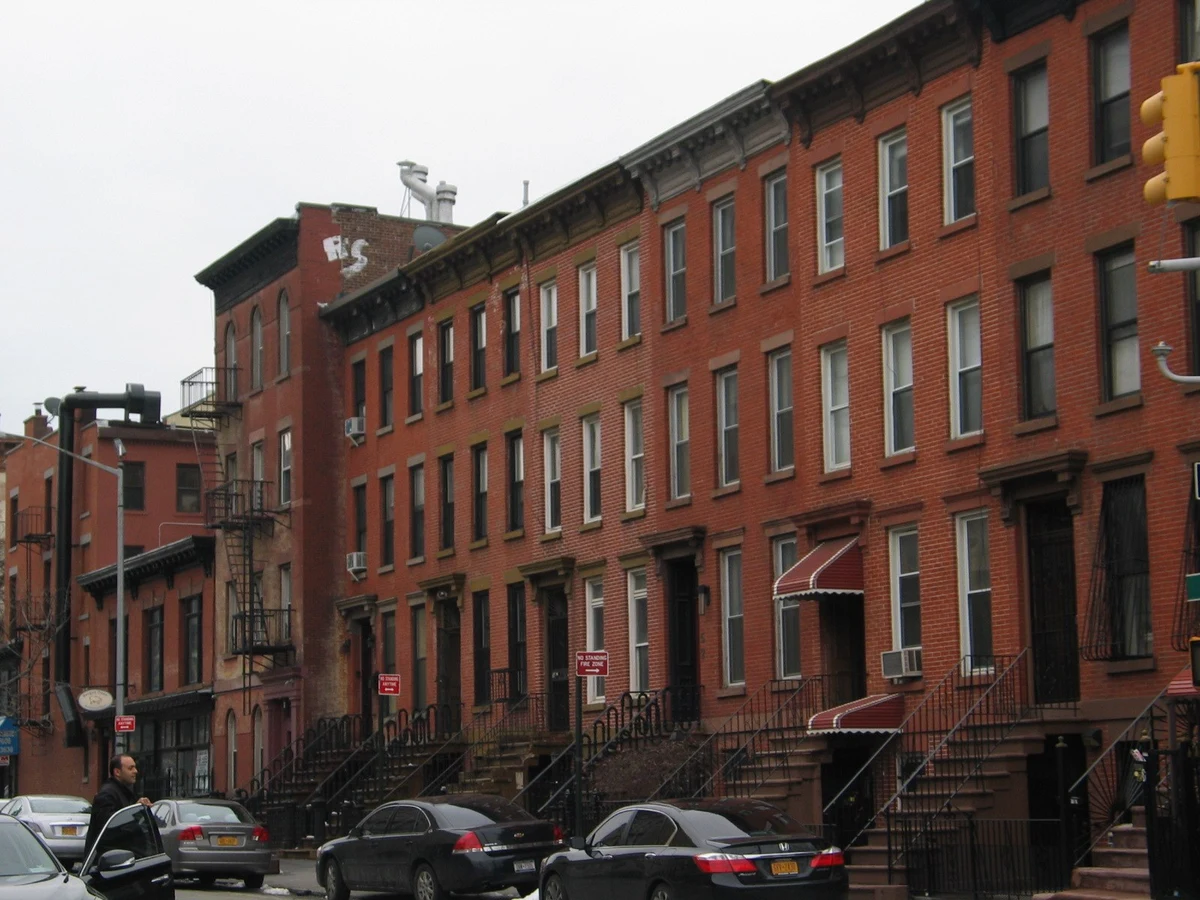

Can You Rent in New York Without a US Guarantor?
Evidence: NYU GSAS — Off Campus Housing Resources, Educational Housing Services — Official FAQ, TheGuarantors — FAQ for Renters and Columbia Housing — Eligibility. Reviewed . This guide supports 2027 planning using rules and policies available on that date; future law, eligibility, prices and availability must be checked again before signing.
What Is a Rental Guarantor?
A rental guarantor agrees to meet specified financial obligations if the renter does not pay as required. The guarantee can cover rent or other lease liabilities according to the document signed. A guarantor is not necessarily a resident and does not automatically acquire the right to live in the apartment.
A co-signer commonly signs alongside the renter and may assume direct lease obligations. A guarantor may sign a separate guarantee or a lease-related document. The labels are used differently by providers: June, for example, describes a guarantor as someone who co-signs the lease. The signed wording—not the label—determines when payment is owed, its scope and whether liability continues on renewal.
International students may lack a US credit file, local employment records or a personal guarantor meeting a particular landlord’s criteria. That is an application issue, not a universal legal requirement to have a US guarantor. Ask about lawful alternative evidence and do not assume a university, roommate or parent is automatically liable.
Sources: June Homes — Official FAQ, TheGuarantors — FAQ for Renters and NYU GSAS — Off Campus Housing Resources; reviewed . Review guarantee documents with a qualified adviser if their liability is unclear.
What Documents Do NYC Rentals Commonly Request?
Requirements vary by landlord, building and contract. The list below describes possible application evidence, not a universal checklist mandated by law. No unverified income multiple, credit score threshold or acceptance rate is published.
Identity
A provider may request a passport or other government-issued identification. Ask which documents it accepts and use its verified secure application channel.
Enrollment or employment
Student residences may need enrollment or internship evidence. A landlord may ask for an employment letter or funding evidence. These are different eligibility tests.
Income and proof of funds
Income records, scholarship letters, sponsorship or bank statements may be requested. Ask whether foreign documents and translations are accepted. No income multiple is stated as a universal legal requirement.
US credit and rental record
Credit screening and references may form part of an application. No US history is not the same as a negative credit history. Ask what alternatives the specific operator accepts.
Visa or immigration documentation
Some operator applications request a visa or legal-status document; June is one example. This is not a universal legal condition for renting. NYC protects against housing discrimination based on immigration status or national origin.
NYC Commission on Human Rights — Immigration Status and National Origin
Guarantor documents and payments
If a guarantor is required, obtain that party’s document list and the actual guarantee agreement. Screening fees and security deposits must be evaluated against the applicable law, not an informal agent’s checklist.
New York State Attorney General — Residential Tenants’ Rights Guide
Legal protections are separate from application practices. NYC prohibits housing discrimination based on immigration status or national origin: NYC Commission on Human Rights — Immigration Status and National Origin. NYC HPD — Tenant Rights and Responsibilities explains rights and tenant support; reviewed .
What Are the Alternatives to a Traditional US Guarantor?
These are routes to investigate, not guaranteed approvals or available listings. For accommodation context, see student housing in New York and New York coliving.
A. Student residences
- How it works
- An independent residence operator allocates a bed or room to eligible students or interns under its own occupancy agreement.
- Possible documentation
- Enrollment or internship evidence, identity and the residence’s application documents; ask about any parent or sponsor signature.
- Potential upfront costs
- Residence charge, reservation payments, any applicable deposit and optional services; check the billing period and cancellation schedule.
- Advantages
- Student-oriented occupancy and furnished-room options can simplify household setup.
- Limitations
- Eligibility, guarantor policy and billing vary. A student residence is not automatically guarantor-free or open to every student.
- Who it may suit
- Students or interns comparing term-based housing with residence support.
- Ask before paying
- Is a traditional US guarantor needed for this exact contract? Are international sponsors accepted? What happens if the visa or program dates change?
Educational Housing Services — Official FAQ · Reviewed .
B. University housing
- How it works
- Apply through your institution’s housing department for an eligible residence assignment rather than a standalone private-landlord lease.
- Possible documentation
- Student enrollment, housing application and occupancy agreement; any funding or payment documents the institution specifies.
- Potential upfront costs
- Published institutional charges, any meal plan or reservation payment and gap accommodation outside the occupancy dates.
- Advantages
- Campus-specific eligibility and billing can provide a clearer institutional process.
- Limitations
- Places and eligibility are restricted. The housing department may serve only particular degree programs, and not all universities provide housing.
- Who it may suit
- Students who meet the institution’s residence criteria and whose dates match its calendar.
- Ask before paying
- Does my program qualify? Does the agreement need a sponsor signature? Are arrival, holidays and summer included?
Columbia Housing — Eligibility · Reviewed .
C. Coliving accommodation
- How it works
- A managed shared-living arrangement combines a bedroom with shared facilities; screening and service terms remain operator-specific.
- Possible documentation
- Identity and whatever income, funding, credit or guarantor documents the individual operator actually requires.
- Potential upfront costs
- Room rent, permitted deposit and any mandatory membership, utilities, cleaning or service charge not included in rent.
- Advantages
- Furnishing and managed common spaces may reduce setup tasks when they are part of the written offer.
- Limitations
- The label “coliving” does not establish a guarantor exemption, flexible cancellation, a particular service package or eligibility.
- Who it may suit
- Newcomers comfortable with shared facilities who want to compare a managed arrangement.
- Ask before paying
- Can you evaluate my international documents without a US guarantor? Which services are mandatory, and is the room private or shared?
NYU GSAS — Off Campus Housing Resources · Reviewed .
E. Flexible furnished rentals
- How it works
- An operator offers a furnished apartment or room for stated dates, subject to its minimum stay and screening.
- Possible documentation
- Identity and accepted financial documents; ask if foreign bank statements or third-party guarantees are considered.
- Potential upfront costs
- Rent, deposit when applicable, utilities, furniture-related fees and any mandatory recurring services.
- Advantages
- Furnishing and date-specific contracts may suit a semester or temporary assignment.
- Limitations
- Flexible dates do not mean flexible eligibility. June’s FAQ, for example, describes screening and guarantor alternatives for its apartments.
- Who it may suit
- Students or professionals needing defined occupancy dates and less household setup.
- Ask before paying
- What is the exact minimum stay? Is every item pictured included? What does extending or cancelling the contract cost?
June Homes — Official FAQ · Reviewed .
F. Third-party guarantor services
- How it works
- A company assesses your application and, if approved and accepted by the property, provides a paid lease guarantee.
- Possible documentation
- Government ID and the service’s requested income, funds, student or other supporting documents; all leaseholders may need to apply.
- Potential upfront costs
- A separately quoted premium or fee, potentially non-refundable, plus the housing agreement’s own permitted charges.
- Advantages
- An accepted provider can be an alternative to a personal US guarantor for a specific apartment.
- Limitations
- Company approval and landlord acceptance are separate. The guarantee protects the landlord and does not erase your payment obligations.
- Who it may suit
- Applicants seeking a particular property that confirms it accepts the service.
- Ask before paying
- Does this building accept this provider for my lease? What coverage is required, and what do I owe if the provider pays a claim?
TheGuarantors — FAQ for Renters · Reviewed .
G. Properties accepting international documentation
- How it works
- A landlord or operator evaluates an international applicant using its stated alternative evidence instead of assuming a US credit file.
- Possible documentation
- Accepted identity, enrollment, bank, scholarship, sponsorship or employment records; confirm translations and document formats.
- Potential upfront costs
- The actual rental payments and legally permitted fees; do not assume a special international-applicant surcharge is justified.
- Advantages
- A documented alternative evaluation may remove the need for a personal US guarantor in that application.
- Limitations
- “International-student-friendly” is not a legal category or an approval guarantee. Verify the actual policy, not a listing label.
- Who it may suit
- Applicants with verifiable funding but limited US credit or rental history.
- Ask before paying
- What evidence substitutes for US credit? Is a non-US sponsor accepted? Can you confirm the policy and complete fees in writing?
NYU GSAS — Off Campus Housing Resources · Reviewed .
H. Renting directly from an accommodation operator
- How it works
- Apply to the verified operator or landlord rather than through an unverified intermediary. The contract still defines the housing arrangement.
- Possible documentation
- The operator’s identity, enrollment and financial application; verify who owns or has authority to let the accommodation.
- Potential upfront costs
- Disclosed rent and applicable charges. Direct booking does not automatically eliminate screening, deposits or guarantee fees.
- Advantages
- A direct contact can clarify the complete application and payment schedule.
- Limitations
- An operator website is not proof of approval, legal compliance or available inventory. Check the agreement and independent contact details.
- Who it may suit
- Applicants who want a clearly identified contracting party and one documented fee schedule.
- Ask before paying
- Which legal entity signs the agreement and receives payment? Can I verify the property and your authority before submitting sensitive documents?
Educational Housing Services — Official FAQ · Reviewed .
I. Permitted sublets or lease takeovers
- How it works
- A sublet temporarily transfers occupancy; an assignment transfers the lease interest. Permissions and rules depend on the tenancy and building.
- Possible documentation
- Underlying lease, proposed agreement, identity and applicable written landlord consent; confirm regulated-housing restrictions.
- Potential upfront costs
- Agreed lawful rent, any permitted deposit, shared bills and move-in costs. Get receipts and clarify the refund recipient.
- Advantages
- An authorized arrangement may fit dates that a new full lease would not.
- Limitations
- Not every apartment may be sublet or assigned. A takeover does not automatically bypass landlord screening or release the original tenant.
- Who it may suit
- Applicants able to verify a lawful arrangement and accept the existing lease’s constraints.
- Ask before paying
- Is the arrangement authorized, what dates are approved, and who remains responsible to the landlord? Are the rent and any furniture charge lawful?
New York State Attorney General — Residential Tenants’ Rights Guide · Reviewed .
How Do the Housing Options Compare?
A qualitative comparison, not a property eligibility guarantee. Sources: New York State Attorney General — Residential Tenants’ Rights Guide, NYU GSAS — Off Campus Housing Resources, Columbia Housing — Eligibility, Educational Housing Services — Official FAQ, June Homes — Official FAQ and TheGuarantors — FAQ for Renters. Reviewed .
| Option | Traditional US guarantor required? | US credit commonly required? | Furniture commonly included? | Typical contract flexibility | Possible additional costs | Best suited for |
|---|---|---|---|---|---|---|
| Traditional apartment | Landlord-specific; not universal | Often screened; alternatives vary | Listing-specific | Lease-defined | Permitted deposit, screening, furniture; tenant-hired broker if applicable | Applicants managing a standalone lease |
| Student residence | Provider/contract-specific | Ask the residence; do not assume exemption | Often offered; verify inventory | Term or residence agreement | Reservation, optional services, any applicable deposit | Eligible students and interns |
| University housing | Institution-specific; different application pathway | Institution-specific | Hall-specific; confirm | Academic occupancy dates | Meal plan or institutional charges; date gaps | Eligible enrolled students |
| Coliving | Operator-specific | Operator-specific | Often offered; verify | Stay and cancellation terms vary | Membership, excluded bills, permitted deposit | Applicants comfortable with managed shared living |
| Shared apartment | Lease/landlord-specific | Lease/landlord-specific | Furnished or unfurnished | Lease or permitted sublet | Shared bills, setup and permitted deposit | Roommates coordinating a household |
| Flexible furnished rental | Operator-specific | May be screened; ask about foreign evidence | Check actual furniture inventory | Exact minimum stay and dates | Utilities, recurring services, deposit when applicable | Fixed-date stays needing furniture |
| Third-party guarantor service | Replaces a personal guarantor only if approved and accepted | Provider underwriting; no automatic approval | Not housing; underlying unit decides | Coverage tied to the approved lease | Separate premium/fee; check refund and renewal terms | Applicants for a building accepting that provider |
How Do Third-Party Guarantor Services Work?
A third-party service assesses your application and may issue a lease guarantee for an accepted property. Company underwriting, landlord acceptance and lease signing are separate decisions. No service approves every applicant or binds every landlord to accept it.
TheGuarantors — FAQ for Renters is one verified example, not an endorsement or ranking. Its official FAQ says not every building accepts it; pricing is personalized according to rent, required coverage and the applicant’s financial profile. The premium is paid upfront and described as non-refundable, not as a deposit returned after the tenancy. No price range is quoted here.
The FAQ requests government ID from applicants and may require additional documentation. Ask for the exact funding, enrollment, employment and international-document list for your case. Do not infer a universal income multiple or credit threshold from a provider’s marketing.
The landlord is the beneficiary of the guarantee. If the provider pays covered rent or damage, the renter may remain liable to reimburse it. Review coverage, exclusions, renewal, all leaseholder obligations, cancellation, refunds and reimbursement terms before signing. A guarantee is not rent forgiveness or ordinary protection of your possessions.
For a documented New York apartment pathway, June Homes — Official FAQ discusses international application documents and TheGuarantors as an alternative where applicants cannot qualify alone or find a personal guarantor. June describes itself as an apartment operator, not a coliving company. These provider-specific policies do not apply automatically to any Floweal listing. Reviewed .
Which Costs and Rental Rules Should You Check?
Prepare a complete written budget, separating recurring payments, refundable deposits and non-refundable fees. This is information, not legal or financial advice. Rules below were reviewed ; recheck the official sources for your 2027 agreement.
Deposits and advance rent
New York State Attorney General — Residential Tenants’ Rights Guide states a security deposit is limited to one month’s rent and explains that a landlord cannot ask for last month’s rent plus that deposit. New York State Senate — General Obligations Law § 7-108 limits deposits or advances for covered dwelling units to 1 month’s rent, with specified exceptions. Do not suggest several months in advance as a standard guarantor workaround. Cooperative, regulated, seasonal and institutional arrangements need category-specific review; do not apply a general summary to every contract.
Application and screening fees
The New York State Attorney General — Residential Tenants’ Rights Guide says a landlord’s credit/background check charge before lease signing is capped at $20; a copy of the check and the screening company’s invoice must be provided. A qualifying report from the past 30 days can avoid that check fee. This does not authorize unrelated administration charges or establish that every cooperative, condominium or institutional process has the same rules. Ask for the itemization and applicable legal basis.
Broker-related costs in NYC
Under NYC’s FARE Act, effective June 11, 2025, a landlord’s broker—including an agent publishing a listing with the landlord’s permission—cannot charge that broker fee to the tenant. A renter can choose to hire and pay their own broker. Listings and rental agreements must disclose applicable tenant fees, and an itemized written fee disclosure is required before signing. Check who the broker represents and the current NYC DCWP — FARE Act and broker-fee FAQ; do not treat every NYC rental as requiring a broker fee.
First month’s rent
Confirm the occupancy period and due date. Count it once in the initial budget, not again as an additional arrival cost.
Guarantor service fee
Request the personalized quote and coverage terms before committing. Distinguish a non-refundable fee from a refundable housing deposit.
Furnishing and utilities
Confirm bedding, kitchenware and desk inventory, utility inclusions and account activation. “Furnished” is not a complete household inventory.
Arrival and moving
Budget for temporary accommodation if check-in does not match arrival, plus luggage, moving and any permitted building move-in charges.
International payments
Check transfer charges, exchange rates, processing fees and refund currency through your bank and the verified provider.
For regulated leases, use New York State Homes and Community Renewal — Leases and NYC Rent Guidelines Board — Leases, Renewal and Vacancy FAQ. Wider housing-budget context is in the 2027 New York student housing and coliving cost report; no prices from another year are presented as guaranteed 2027 quotes.
International Student Document Checklist
Use this as a preparation checklist, not a list every landlord may legitimately demand. Confirm which documents your property requires and why. Avoid sharing unnecessary account numbers or immigration information, and verify the recipient first.
- Passport or another accepted identity document
- Visa or immigration documentation only where relevant and legitimately requested; not a universal rental prerequisite
- University acceptance or enrollment letter
- Proof of funds
- Recent bank statements
- Scholarship or sponsorship documentation
- Internship or employment letter, if applicable
- Emergency contact
- Previous landlord reference, if available
- Third-party guarantor approval, if applicable
Evidence: June Homes — Official FAQ, Educational Housing Services — Official FAQ, TheGuarantors — FAQ for Renters and NYC Commission on Human Rights — Immigration Status and National Origin; reviewed . Use a verified secure application channel rather than posting personal records publicly.
How Should You Apply Step by Step?
- 1
Define the total monthly budget
Include quoted rent, excluded bills, mandatory fees and your campus commute; keep deposits and one-time setup separate.
- 2
Choose appropriate housing types
Shortlist arrangements that match your eligibility, privacy needs and exact move-in and move-out dates.
- 3
Confirm guarantor and credit requirements
Ask the property directly which international documents or guarantee alternatives it accepts before paying to apply.
- 4
Prepare documents
Collect only the requested relevant records. Share them through a verified secure channel after basic operator verification.
- 5
Verify the property or operator
Check the address, the representative’s authority and independent contact details. Obtain a tour or other credible verification.
- 6
Review all fees
Request an itemized schedule, refund/cancellation terms and the legal basis for disputed charges.
- 7
Read the lease
Check parties, dates, occupancy, bills, guarantee liability, renewal, termination and any subletting permissions.
- 8
Pay only through verified channels
Match the payment recipient to the verified agreement and independently confirm any change in bank instructions.
- 9
Keep documents and receipts
Retain the signed agreement, fee disclosure, listing, communications, payment evidence and check-in inventory.
This is a preparation workflow, not legal approval or a guaranteed application timeline. Sources: New York State Attorney General — Residential Tenants’ Rights Guide, NYU GSAS — Off Campus Housing Resources and New York Attorney General — Rental Scam Prevention Alert.
How Can You Avoid Rental Scams in New York?
Warning signs are prompts to verify, not proof that a listing is fraudulent. Contact the operator through independently obtained details, check the representative’s authority, and obtain the written agreement before sending payment or sensitive records.
- Pressure to pay immediately before basic verification
- Refusal to provide a written agreement or credible property verification
- Requests for gift cards, cryptocurrency or other hard-to-recover payment methods
- A price substantially below genuinely comparable listings without a verifiable explanation
- An address or representative whose identity and authority cannot be established
- Requests for sensitive documents before the listing and operator can be checked
- Different names on the listing, lease and payment account without a verified explanation
The New York Attorney General — Rental Scam Prevention Alert supplies verification and payment precautions. It is a 2022 vacation-rental alert, used for those precautions—not current residential legal limits. Report suspected consumer fraud through the New York Attorney General — Consumer Complaint; for broker-fee violations, use the complaint channel on the NYC DCWP — FARE Act and broker-fee FAQ. Keep listing screenshots, communications, receipts and payment details. For tenant rights support, consult NYC HPD — Tenant Rights and Responsibilities.
Where Should Students Look Near NYC Universities?
Start with the precise campus, class schedule and institutional eligibility. These are independent planning references; mentioning a university does not imply affiliation, endorsement, available inventory or an institution-backed guarantee. No campus is ranked by price, safety or commute time.
Columbia University
Start with your actual school and campus. Columbia Housing’s undergraduate eligibility covers specified Columbia College and Engineering students; graduate students need the appropriate separate resource. Compare Morningside Heights or other addresses against the real campus, not a generic “near Columbia” label.
Columbia Housing — Eligibility · Reviewed .
New York University
Confirm the teaching location and program. NYU’s graduate off-campus resources discuss different arrangements; its Lease Guaranty Program has narrow doctoral eligibility and is not a benefit for every NYU student. Compare downtown or other connected addresses using your class schedule.
NYU GSAS — Off Campus Housing Resources · Reviewed .
Explore New York University with FlowealThe New School
Check university residence eligibility and occupancy dates directly. For an off-campus search, use the actual academic building and compare downtown Manhattan with other connected locations. University enrollment does not by itself establish private-landlord approval.
The New School — University Housing · Reviewed .
Fordham University
Rose Hill in the Bronx and Lincoln Center in Manhattan require different housing searches. Confirm which campus you attend. Fordham’s off-campus resource page does not make listed housing university-sponsored or endorsed.
Fordham — Off-Campus Housing Resources · Reviewed .
Explore Fordham University with FlowealPace University
Use the New York City campus rather than assuming another Pace location has the same commute or residence process. Confirm institutional housing eligibility first, then ask any private operator its own credit and guarantor questions.
Pace University — Housing · Reviewed .
Explore Pace University with FlowealBaruch College
Review Baruch’s official Housing & Residence Life resource and the specific residence application. Compare addresses against your teaching location. Baruch’s housing arrangements do not establish eligibility or application policies for other CUNY colleges.
Baruch College — Housing & Residence Life · Reviewed .
Explore Baruch College with FlowealHunter College
Hunter’s published housing locations have their own eligibility and availability rules. Start with those institution-specific options, then compare the exact teaching building and off-campus address. Do not assume a residence assignment or private-rental approval is guaranteed.
Hunter College — Housing Locations · Reviewed .
Pratt Institute
Check the Brooklyn or Manhattan campus before comparing addresses and transport. Pratt’s off-campus housing services offer search support and renter education; a resource listing does not establish that every property waives a guarantor.
Pratt Institute — Off-Campus Housing Services · Reviewed .
Compare location and daily access using the New York neighborhood guide. For the restricted institutional guarantee example, review NYU GSAS — Lease Guaranty Program and contact NYU to confirm current eligibility.
What Should You Ask Before Applying?
- Is a traditional US guarantor mandatory?
- Is a third-party guarantor accepted, and which provider?
- Is US credit required?
- Which documents are accepted instead?
- What is included in monthly rent?
- Are utilities included, capped or separately charged?
- Is the apartment furnished, and what is the inventory?
- Are there application or administration fees, and what is their legal basis?
- What is the security deposit and when is it returned?
- What is the cancellation policy?
- Who receives payment?
- Can the property and operator’s authority be verified?
Request the answers in writing from the verified contracting party. If a fee, guarantee or document request is unclear, pause and seek qualified advice before paying.
Which Housing Option Fits Your Situation?
Institutional simplicity
Start with university housing when you meet its eligibility criteria and the occupancy calendar works. Confirm the actual application and payment obligations.
Furniture and clear inclusions
Compare student residences or managed shared living when furnishing matters. “Predictable” means a written breakdown of inclusions and exclusions, not an assumed all-inclusive price.
Sharing costs
Consider shared apartments when sharing space and certain bills fits your priorities. Check the complete quote and lease liability; sharing does not guarantee a lower total cost.
A particular apartment
Consider a third-party guarantee only when that property accepts the provider and you can review its approval decision, premium and obligations before committing.
The appropriate option depends on your actual budget, dates, eligibility and available properties. Keep a second pathway in your shortlist, but do not pay for multiple unverified applications or assume a particular approval rate.
Sources and Methodology
Prepared and reviewed by Floweal on for international students, exchange students, young professionals and newcomers planning 2027 housing. Floweal is the editorial author; no external legal or financial professional’s review is claimed. This is informational content, not legal, financial or immigration advice.
Official tenant guidance and legislation are used for legal statements. University pages support institution-specific eligibility and search resources. Operator and guarantee FAQs support only those providers’ published processes. None is used to infer a citywide acceptance rate, universal guarantor policy, market price or guaranteed 2027 availability.
2027 is the planning year, not a promise that today’s rules or provider terms will remain unchanged. Sources were consulted on the review date; recheck them before applying and signing. Laws can contain exceptions, and a residence license or other agreement may require category-specific advice. No unverified income multiples, provider prices, deposit exemptions or approval statistics are published.
No Floweal GO inventory requirement was verified for an individual property. Its listings are discovery options, not evidence that all accommodation accepts applicants without a guarantor. Confirm documents, eligibility and payments for the exact accommodation and dates.
- New York State Attorney General — Residential Tenants’ Rights Guide
Residential deposits, screening fees, leases, subletting and assignment. Different housing categories can have different rules.
Reviewed .
- New York State Senate — General Obligations Law § 7-108
Statutory limit on deposits or advances for covered dwelling units, with specified exceptions. Not a blanket rule for every housing agreement.
Reviewed .
- NYC DCWP — FARE Act and broker-fee FAQ
Who may charge a broker fee, fee disclosure and complaints under the NYC law effective June 11, 2025.
Reviewed .
- NYC HPD — Tenant Rights and Responsibilities
Tenant protections, discrimination and routes to the Tenant Helpline.
Reviewed .
- NYC Commission on Human Rights — Immigration Status and National Origin
Housing discrimination protections; immigration paperwork is not a universal rental eligibility requirement.
Reviewed .
- New York State Homes and Community Renewal — Leases
Rent-regulated lease context and links to applicable fact sheets; not a universal landlord application standard.
Reviewed .
- NYC Rent Guidelines Board — Leases, Renewal and Vacancy FAQ
Lease and renewal guidance, with distinctions between regulated and unregulated apartments.
Reviewed .
- NYU GSAS — Off Campus Housing Resources
Student search resources and context for guarantors, credit checks and housing alternatives. Resource listings are not approval promises.
Reviewed .
- NYU GSAS — Lease Guaranty Program
A restricted institutional program for eligible fully funded GSAS doctoral students, not all NYU or international students.
Reviewed .
- Educational Housing Services — Official FAQ
NYC student/intern residence eligibility and international-student information. No blanket guarantor exemption verified.
Reviewed .
- June Homes — Official FAQ
New York shared and private apartment application, furnishing, payment and guarantor alternatives. June states it is not a coliving company.
Reviewed .
- TheGuarantors — FAQ for Renters
Personalized quotes, non-refundable premium, landlord acceptance, documents and continuing renter obligations. NYC use is also documented in June’s official FAQ.
Reviewed .
- Columbia Housing — Eligibility
Undergraduate Columbia College/Engineering housing eligibility; Columbia Housing does not house graduate students.
Reviewed .
- The New School — University Housing
Official institutional housing contact and residence information; confirm current application terms directly.
Reviewed .
- Fordham — Off-Campus Housing Resources
Campus-specific search support; listed off-campus options are not university-sponsored or endorsed.
Reviewed .
- Pace University — Housing
Official housing department; distinguish New York City from other Pace campuses.
Reviewed .
- Baruch College — Housing & Residence Life
Campus-specific residence information, application and contact resources.
Reviewed .
- Hunter College — Housing Locations
2026–2027 locations and institution-specific eligibility/availability; housing is not guaranteed for every applicant.
Reviewed .
- Pratt Institute — Off-Campus Housing Services
Off-campus search tools and renter education; confirm the relevant Pratt campus.
Reviewed .
- New York Attorney General — Rental Scam Prevention Alert
An older vacation-rental alert used only for timeless verification/payment warning signs, not current residential rental law.
Reviewed .
- New York Attorney General — Consumer Complaint
Official reporting channel for consumer fraud; preserve evidence and choose the appropriate complaint category.
Reviewed .
Frequently Asked Questions
Can I rent an apartment in New York without a guarantor?
Yes, some applicants qualify without a personal guarantor, while others use an accepted alternative. University housing, student residences and private operators follow different application processes. Ask the exact property whether your own financial evidence is sufficient or a third-party guarantee is accepted. No housing label guarantees a waiver, availability or approval; obtain the requirements before paying to apply.
Can an international student rent in NYC without US credit?
It can be possible, depending on the residence, landlord and applicant. Some providers assess international identity documents, enrollment, funds or an accepted guarantee instead of relying solely on an established US credit file. Ask which evidence is accepted and how it is evaluated. A missing US history does not guarantee rejection or acceptance, and immigration status is protected under NYC housing discrimination rules.
Why do NYC landlords ask for guarantors?
A landlord may seek additional assurance that contractual rent obligations will be paid when an applicant’s income, credit or rental record does not meet that landlord’s criteria. A guarantor promises payment under the guarantee’s terms. This is an application practice, not a universal legal rule that every renter must provide a US guarantor. Ask for the property’s actual standard.
What can I use instead of a guarantor?
Possible pathways include qualifying on your own documentation, applying for eligible institutional housing, finding a residence with a different application process, or using a third-party guarantee accepted by the landlord. A university guarantee is possible only where a specific program exists and you qualify. Ask each property which alternative it will assess; bank statements, roommates or advance payments are not automatic substitutes.
Do coliving spaces require a guarantor?
Some operators may require one, while others may accept applicants on their own evidence or consider an approved third-party service. Coliving describes an accommodation arrangement, not a standard screening policy. Ask about US credit, accepted international documents, guarantor alternatives and mandatory fees for the exact room and dates. Do not assume furnished rooms or managed common spaces mean guarantor-free admission.
Are third-party guarantor services accepted by every landlord?
No. TheGuarantors’ official renter FAQ explicitly says not every building accepts its service. Acceptance of one company does not imply acceptance of another, and the company’s underwriting decision does not compel a landlord to approve your tenancy. Confirm the property’s participation, required coverage and acceptance of your specific application before buying a policy or paying other housing charges.
How much does a guarantor service cost?
Obtain a personalized quote; this guide does not publish an unverified price or market range. TheGuarantors says pricing depends on factors including rent, required coverage and the applicant’s financial profile, with an upfront non-refundable premium if approved. Other agreements may differ. Review renewal costs, coverage, reimbursement liability and cancellation/refund terms separately from the landlord’s deposit and rental payments.
Can I pay several months of rent in advance?
Do not treat advance rent as a routine way to bypass a guarantor. New York General Obligations Law § 7-108 limits deposits or advances for covered dwellings to one month’s rent, with specified exceptions. The Attorney General also explains the deposit limit. Rules and housing categories matter; ask a qualified adviser before accepting a multi-month demand. This guide is not legal advice.
What documents do international students need to rent in NYC?
Requirements vary by agreement. Prepare accepted identity, enrollment, funding or employment evidence, recent bank statements, scholarship or sponsorship details and any applicable references or guarantee approval. Some providers request visa or status documentation, but it is not a universal legal prerequisite to rent. Verify the operator first, ask why sensitive documents are needed, and submit them only through an appropriate secure channel.
Is student housing easier to rent than a traditional apartment?
A residence may offer a more institution- or student-focused process, but “easier” depends on eligibility, places, dates, funding and the specific agreement. Some residences still require sponsor signatures or other documents. Traditional apartments may accept applicants on their own evidence. Compare the actual requirements and complete payments rather than assuming every student residence is cheaper, guarantor-free or available.
Can a university act as my guarantor?
Only if the institution offers a program for which you qualify. NYU GSAS publishes a Lease Guaranty Program with restricted eligibility for specified fully funded doctoral students; it is not available automatically to every NYU student or all international students. Contact your own institution for its current policy. An acceptance letter or enrollment alone does not make the university your guarantor.
How can I avoid rental scams in New York?
Verify the address, operator, representative’s authority and payment recipient before sending money or sensitive documents. Obtain a written agreement and independently confirm changed payment instructions. Be cautious with rushed demands, inaccessible properties, inconsistent identities and hard-to-recover payment methods. Keep evidence and use official Attorney General or NYC reporting channels if you suspect fraud; a listing or university resource link is not verification.
When should I begin looking for student housing?
Start researching when your likely campus and program dates are known, then follow your institution’s residence windows and deadlines. Prepare documents and align arrival with confirmed check-in dates. There is no universal lead time that guarantees availability, lower rent or approval. A pressured demand to pay immediately is not a reason to skip property verification or review of the agreement.
Can Floweal guarantee that my rental application will be approved?
No. Floweal cannot guarantee landlord approval. Each landlord, residence, operator or guarantor service applies its own lawful criteria, eligibility rules and availability constraints. Use Floweal GO to explore options, then confirm the exact property’s application requirements, accepted documents and payment terms before submitting a request. A listing on the platform does not mean every applicant can rent without a guarantor.
Looking for housing in New York?
Explore accommodation options through Floweal GO and review each property’s application requirements before submitting a request.
Explore housing in New York