Evaluating apartments in Long Island City, Queens? LIC sits in western Queens across the East River from Manhattan, with residential areas that differ in transportation, building layouts, and everyday services. Compare Hunters Point, Court Square, Queens Plaza, and nearby streets against your routine rather than treating LIC as one uniform location.
Where to Live in Long Island City: Hunters Point, Court Square, and Queens Plaza
Hunters Point combines residential streets and apartment buildings with access to Gantry Plaza State Park and Hunters Point South Park. Check routes to parks and services; a Hunters Point address does not guarantee waterfront frontage or Manhattan views.
Court Square mixes apartments, commercial activity, subway connections, and cultural facilities such as MoMA PS1. Investigate it if transit access drives your search. Queens Plaza combines transportation infrastructure, residential towers, and offices. Traffic and street activity vary by building. Dutch Kills offers another mixed-use setting with residences and local businesses. Compare the street, building entrance, and station access in each area.
Apartment Types and Building Amenities in LIC
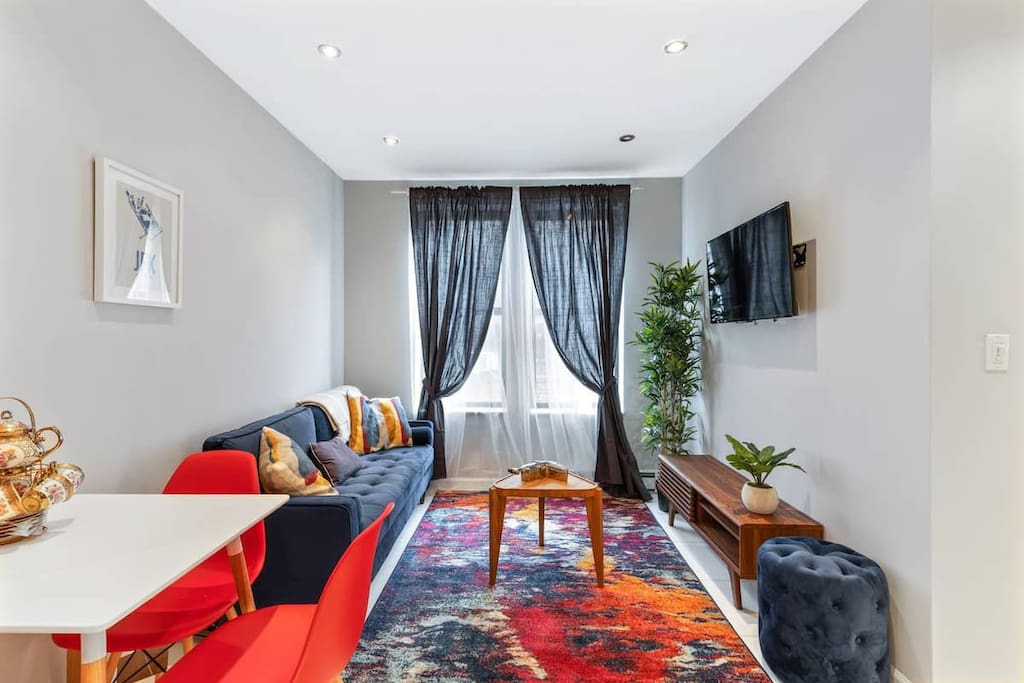
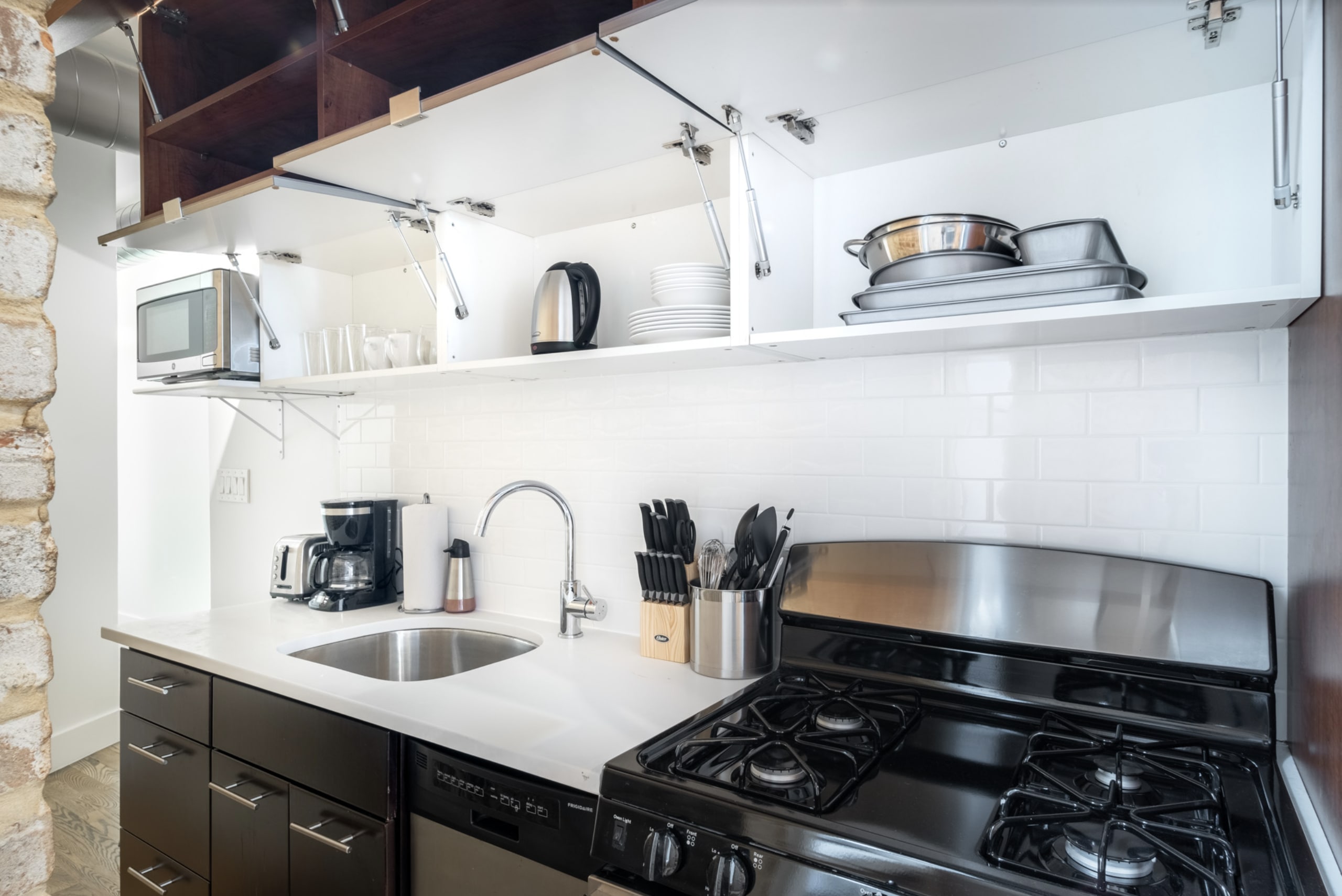
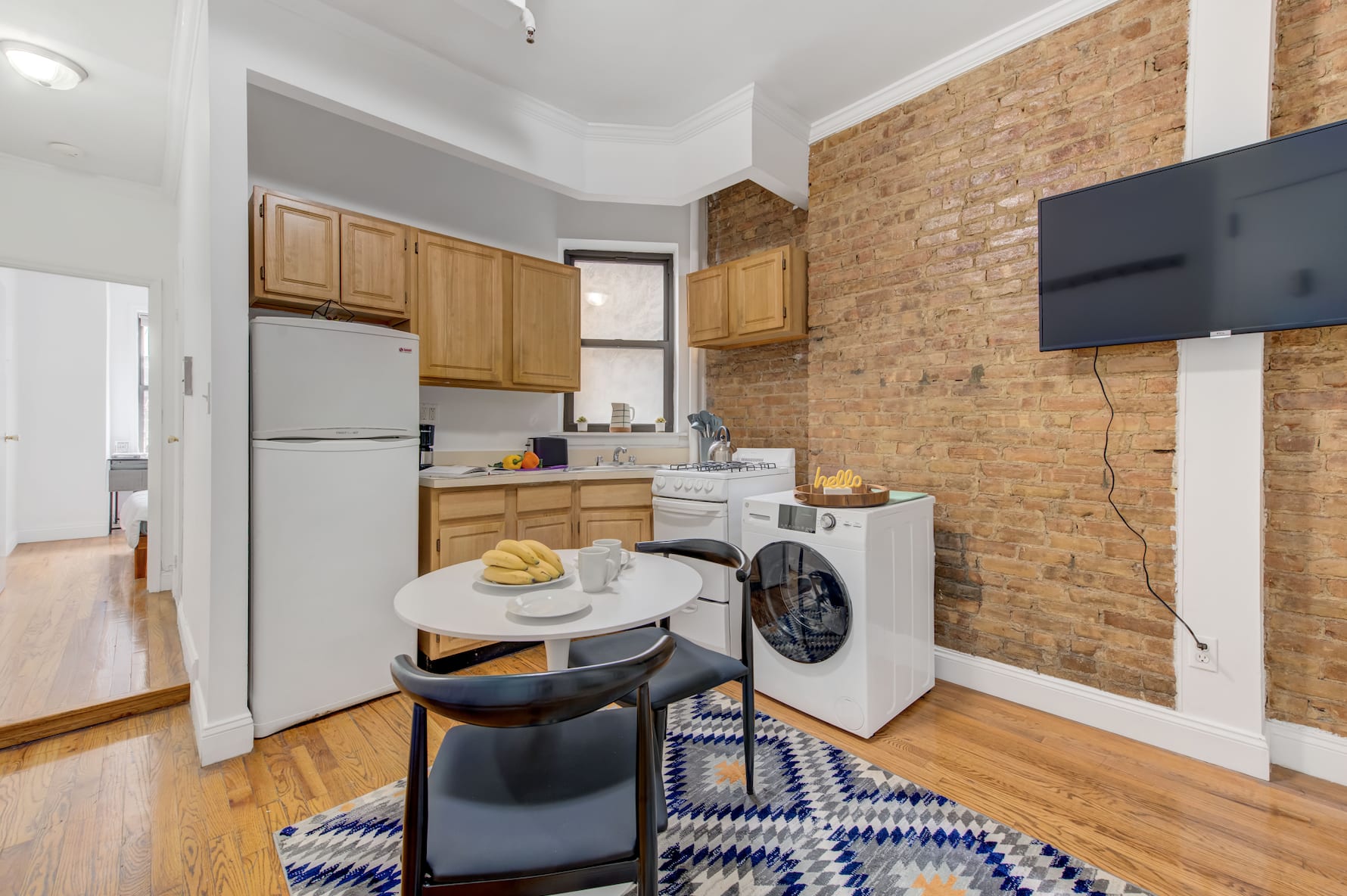
Studios, one-bedroom units, and larger apartments for sharing suit different privacy and workspace needs. Compare modern buildings with older or converted properties by layout, storage, access, and condition—not age alone. Furnished apartments can simplify arrival, but request an inventory. Some buildings may offer gyms, laundry, coworking spaces, or parking; these are not universal. Confirm access, additional charges, and whether advertised amenities are included in your agreement.
Commuting to Manhattan and Getting Around Queens
Compare routes from Court Square, Queens Plaza, Queensboro Plaza, or Vernon Boulevard–Jackson Avenue according to your apartment and destination. Queens Plaza and Queensboro Plaza are separate stations with different services; check the current MTA map.
NYC Ferry serves designated waterfront landings, not every LIC address. Evaluate walking access, schedules, transfers, and the journey from your arrival stop. Subway, bus, cycling, and walking options also depend on your routine. Compare complete door-to-door journeys, not Manhattan proximity alone.
Daily Life and What to Check Before Renting
Locate groceries, restaurants, services, parks, and laundry from the building. Check internet, workspace, natural light, and noise at the hours you expect to be home, particularly for hybrid work. Review lease duration, security deposit, utilities, furnishings, and amenity charges. Compare the complete monthly cost, including transportation, parking, and laundry. Confirm building access and rental conditions in writing; nearby stations or shared spaces do not replace a suitable apartment layout.
Frequently Asked Questions
- Is Long Island City a convenient place to live for people working in Manhattan? LIC offers several transit connections, but convenience depends on your apartment and workplace locations. Compare station access, transfers, service changes, and the final walk to your office.
-
Which areas of Long Island City should new residents consider? Compare Hunters Point’s waterfront setting, Court Square’s transit-oriented mix, Queens Plaza’s transportation infrastructure, and Dutch Kills’ mixed-use streets. Exact building locations create meaningful differences within each area.
-
Can I find furnished apartments in Long Island City? Furnished rentals may be available, but equipment, lease terms, prices, and current inventory vary by property. Request an inventory and confirm dates, included services, and contractual conditions.